Food service businesses cycle through equipment regularly as technology advances, wear and tear takes hold, or establishments close down. Food service equipment removal involves much more than simply hauling away unwanted items. This process requires specific knowledge, proper tools, and environmental awareness to ensure safe, efficient, and legal disposal or recycling.
For restaurant owners, managers of institutional cafeterias, or catering companies in Lansing, understanding why specialized handling matters can save time, money, and potential legal headaches.
The Unique Challenges of Restaurant Equipment Removal
Commercial kitchens contain specialized equipment that presents distinct challenges during removal. These challenges stem from several factors that ordinary junk removal services may not be equipped to handle.
Size and Weight Considerations
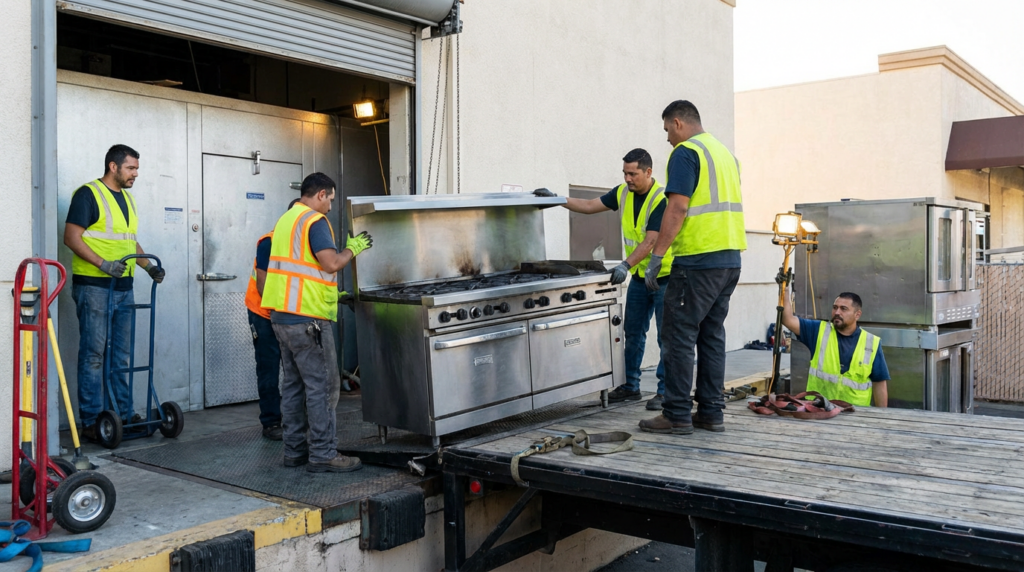
Commercial ovens, refrigerators, freezers, and dishwashers are significantly larger and heavier than their residential counterparts. A standard commercial freezer can weigh upwards of 600 pounds. Moving such equipment requires proper lifting techniques, equipment, and enough personnel to prevent injuries and property damage.
Professional food service equipment removal specialists come prepared with dollies, lifting straps, and teams trained to maneuver these bulky items through tight spaces without damaging doorways, floors, or walls.
Connection Complexities
Unlike residential appliances, commercial kitchen equipment often has complex utility connections. Gas lines for commercial ranges need proper shutdown procedures, while walk-in refrigerators might have specialized electrical requirements. Water lines connected to dishwashers, ice machines, and drink dispensers must be properly disconnected to prevent leaks or water damage.
Specialists understand these systems and how to safely disconnect them before removal begins.
Environmental and Regulatory Compliance
Food service equipment contains components that require specific disposal protocols to comply with environmental regulations and best practices.
Refrigerant Management
Commercial refrigeration units contain refrigerants that, if improperly released, can cause significant environmental harm. According to EPA regulations, these chemicals must be properly recovered before equipment disposal. EPA Section 608 specifically addresses the proper handling of these substances.
Professional food service equipment removal services have certified technicians who can safely extract refrigerants before transporting the equipment.
Grease and Oil Disposal
Deep fryers, grills, and other cooking equipment often contain residual grease and oils that require proper disposal. These substances can’t simply be poured down drains or placed in standard waste containers. They must be collected and disposed of according to local regulations to prevent environmental contamination and potential fines.
Metal Recycling Opportunities
Most commercial kitchen equipment contains valuable metals that can and should be recycled. Stainless steel, aluminum, and copper components have recycling value that professional removal services can help recover, offsetting some removal costs while ensuring materials don’t end up in landfills unnecessarily.
Logistical Expertise for Efficient Removal
Removing equipment from food service establishments presents unique logistical challenges that require specialized planning and execution.
Business Disruption Minimization
For operating restaurants or food service facilities, equipment removal must be carefully timed to minimize business disruption. Professional removal specialists coordinate their work around business hours, often operating overnight or during planned closure periods to ensure normal operations can continue with minimal interruption.
Space Constraints Navigation
Commercial kitchens typically have tight spaces with equipment placed close together. Removing one piece often requires temporarily moving others or following a specific sequence. Experienced food service equipment removal teams develop removal plans that account for these space limitations and ensure efficient extraction without causing damage.
Transportation Requirements
Once removed from the premises, commercial equipment requires appropriate transportation. This often means larger trucks with hydraulic lifts or specialized loading capabilities. Professional services have the right vehicles and equipment to transport these items safely and legally.
Value Recovery Options
Not all removed food service equipment needs to end up as waste. Professional removal specialists can help identify valuable opportunities.
Resale Possibilities
Functional equipment that’s being replaced due to upgrades rather than failure may have resale value. Experienced removal specialists can help evaluate equipment condition and connect owners with potential buyers or resale channels, potentially recouping some of the original investment.
Donation Alternatives
Some non-profit organizations, culinary schools, or community kitchens may accept donated commercial equipment in good condition. Professional removal services often have connections with these organizations and can coordinate donations, which may also provide tax benefits to the original owner.
Parts Salvage
Even non-functioning equipment may contain valuable parts that can be salvaged. Components like control panels, heating elements, or specialized parts may have value in the secondary market. Food service equipment removal experts can identify these opportunities and ensure parts are properly harvested before final disposal.
The removal of commercial kitchen equipment presents unique challenges that require specialized knowledge, proper equipment, and regulatory awareness. By hiring professionals who understand the intricacies of food service equipment removal, business owners can ensure the process happens safely, legally, and with minimal disruption to their operations.
This specialized approach not only protects against potential liabilities but also maximizes opportunities for recycling, resale, or donation, creating financial and environmental benefits beyond simple removal.
Frequently Asked Questions
How much does food service equipment removal typically cost?
Costs vary based on equipment quantity, size, condition, and accessibility. Professional services typically provide free on-site estimates that consider these factors along with any special handling requirements for refrigerants or hazardous materials.
Can I sell my old restaurant equipment instead of paying for removal?
Yes, functional equipment often has resale value. Professional removal services frequently offer buy-back options or can connect owners with potential buyers. The equipment’s condition, age, and market demand will determine its resale potential.
How far in advance should I schedule food service equipment removal?
For operating restaurants, scheduling 1-2 weeks ahead is recommended, especially if the removal involves multiple pieces or very large equipment. For restaurant closures or renovations, scheduling as part of the overall project timeline ensures proper coordination with other contractors.