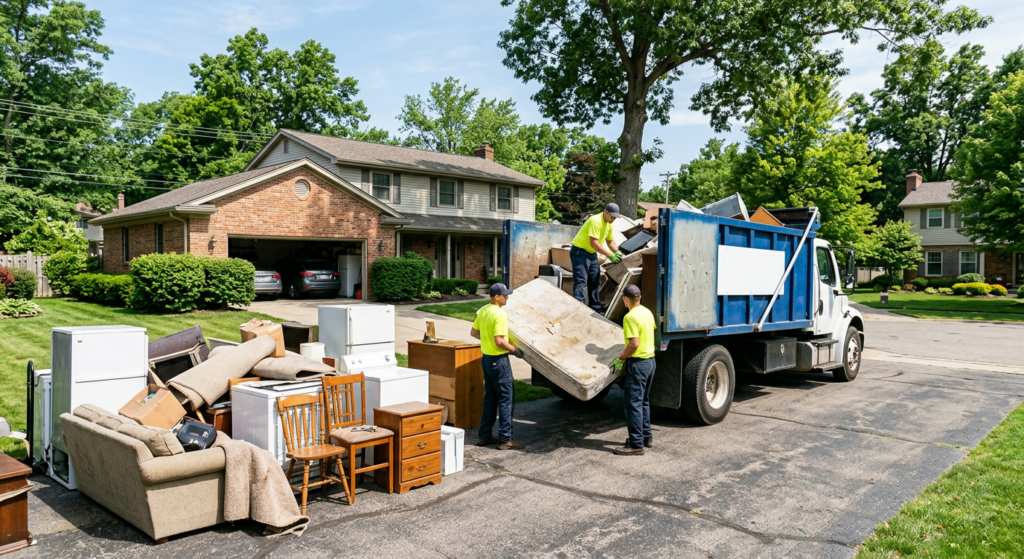
Kitchen remodels represent one of the most valuable home improvement projects for Okemos residents, but proper preparation makes all the difference between a smooth renovation and a chaotic experience. Before contractors arrive and demolition begins, homeowners must clear out existing materials, appliances, and fixtures that will be replaced.
Professional junk removal services can streamline this pre-renovation phase, saving time and preventing disposal headaches.
Clear Out All Appliances and Fixtures
The first step involves removing all existing appliances from the kitchen space. Refrigerators, dishwashers, stoves, and microwaves need to be disconnected and hauled away before any construction begins. Old appliances often contain heavy components and require proper disposal methods, especially older models that may contain refrigerants or other regulated materials.
Kitchen sinks, faucets, and garbage disposals also need removal. These fixtures connect directly to plumbing systems and require careful disconnection to prevent water damage. Cabinet-mounted lighting, exhaust fans, and range hoods should be taken down as well. Many homeowners underestimate the weight and bulk of these items, making junk removal professionals a practical choice for efficient disposal.
Dealing with Old Cabinetry
Kitchen cabinets occupy significant space and removing them creates substantial waste. Whether keeping existing cabinets for donation or sending them to disposal, they must be uninstalled before new ones can be fitted.
Upper and lower cabinets, pantry units, and island cabinetry all require dismantling and removal. Cabinet removal often produces sharp edges, loose hardware, and heavy wooden sections that pose safety risks during handling.
Remove Countertops and Backsplash Materials
Countertop removal presents unique challenges depending on the material. Laminate countertops are lighter but may splinter during removal, while granite, quartz, and marble slabs are extremely heavy and can crack or break during extraction.
Professional removal services understand proper handling techniques for different countertop materials and can safely remove them without causing damage to surrounding areas.
Tile backsplashes, whether ceramic, glass, or stone, must be chipped away carefully to avoid damaging wall surfaces underneath. This process generates significant debris, including broken tiles, old grout, and adhesive materials. Dust and small fragments spread easily throughout the home during this removal process.
According to the Environmental Protection Agency, homes built before 1978 may contain lead-based paint, making proper disposal even more critical during renovation projects.
Flooring Extraction Requirements
Old kitchen flooring needs removal before installing new surfaces. Vinyl, linoleum, tile, and hardwood flooring all require different removal techniques. Vinyl and linoleum may contain asbestos in older installations, requiring special handling procedures.
Ceramic and porcelain tiles break into sharp pieces during removal, creating safety hazards. Hardwood flooring, though potentially salvageable, often sustains damage during extraction and ends up as waste material.
Eliminate Outdated Storage and Organization Systems
Pull-out shelving systems, lazy Susans, drawer organizers, and pantry storage units should be removed before demolition begins. These organizational components attach to cabinets and walls with various mounting systems. Removing them prevents damage during cabinet uninstallation and ensures clean surfaces for new installations.
Kitchen islands and peninsula structures that won’t remain in the remodeled space require complete removal, including any electrical or plumbing connections they house. These structures are bulky and heavy, often requiring multiple people for safe removal. Small kitchen accessories like spice racks, pot racks, and wall-mounted storage also need clearing out before work begins.
Dispose of Demolition Debris and Construction Waste
Beyond removing intact items, kitchen remodels generate substantial demolition debris. Drywall sections, old insulation, damaged framing materials, and outdated electrical components all become waste products during renovation. This debris accumulates quickly and requires proper sorting for disposal.
Construction waste streams include recyclable metals from plumbing and electrical work, wood scraps from framing and cabinetry, and mixed materials from composite products. Professional junk removal companies, such as Lansing Junk Removal, understand local disposal regulations and can separate materials appropriately for recycling centers, landfills, and special waste facilities.
Hazardous Materials Considerations
Older kitchens may contain hazardous materials requiring special handling. Lead paint, asbestos tiles, mercury switches in old thermostats, and PCB-containing light ballasts all demand proper identification and disposal according to environmental regulations.
Professional removal services recognize these materials and follow appropriate protocols for their safe removal and disposal.
Frequently Asked Questions
How much does junk removal cost for a kitchen remodel in Okemos?
Costs typically range from $300 to $800 depending on the kitchen size and amount of material requiring removal. Factors affecting price include appliance quantity, cabinet volume, countertop material, and whether hazardous materials need special handling. Most junk removal companies provide free estimates after assessing the scope of work.
Can old kitchen cabinets and appliances be donated instead of thrown away?
Yes, functioning appliances and cabinets in good condition can often be donated to organizations like Habitat for Humanity ReStore locations. Many junk removal services partner with donation centers and will transport usable items directly to these facilities, potentially reducing overall removal costs.
How long does it take to remove everything before a kitchen remodel?
Professional junk removal teams typically complete kitchen clearance within 2-4 hours for average-sized kitchens. This timeframe includes disconnecting appliances, removing cabinets and countertops, and hauling everything away. DIY removal often takes several days and multiple disposal trips.
Do junk removal companies handle disconnecting plumbing and electrical before removal?
Most junk removal services do not provide plumbing or electrical disconnection services. Homeowners should hire licensed plumbers and electricians to safely disconnect utilities before removal crews arrive. Once properly disconnected, removal specialists can safely haul away all fixtures and appliances.