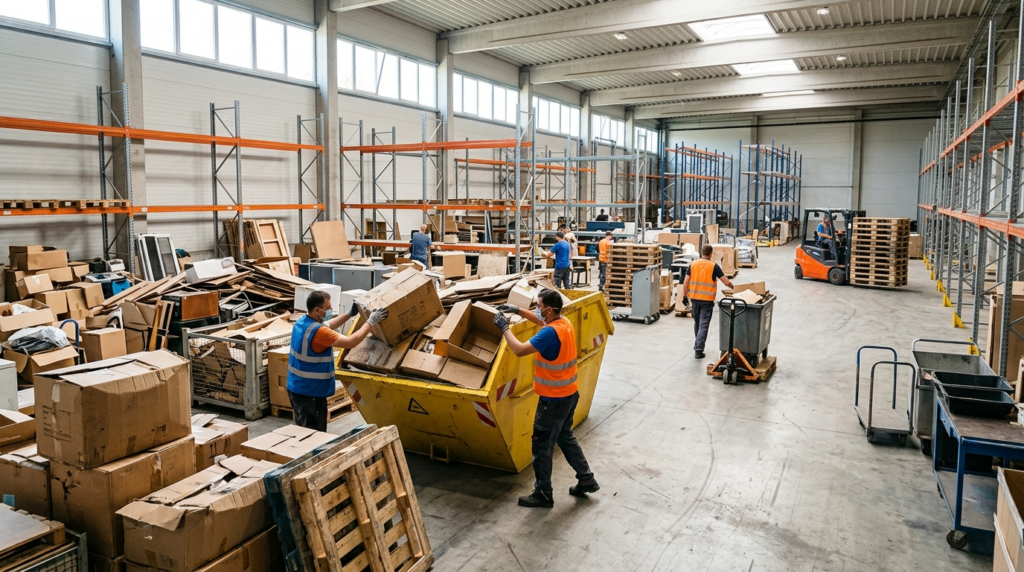
Running a business means dealing with constant change. Product lines evolve, inventory becomes obsolete, and sometimes entire operations need to shift direction. When that happens, business owners often find themselves staring at warehouses full of outdated stock, broken equipment, and materials that no longer serve any purpose. That’s where professional warehouse cleanout services become invaluable.
At Lansing Junk Removal, the team has helped countless Michigan businesses reclaim their warehouse space. Whether it’s a small storage facility or a massive distribution center, clearing out old inventory requires expertise, manpower, and proper disposal methods. Most companies don’t have the resources or time to handle these projects internally, which is why specialized removal services exist.
Why Businesses Need Professional Warehouse Cleanout Services
Space costs money. Every square foot of warehouse real estate that’s occupied by dead inventory represents lost opportunity. That floor space could be used for profitable products, new equipment, or more efficient operations. Yet many businesses let old stock pile up for years, creating both financial and logistical headaches.
The reasons for needing a warehouse cleanout vary widely. Some companies undergo mergers or acquisitions that leave them with duplicate inventory. Others experience shifts in consumer demand that make certain products obsolete. Retail businesses might deal with seasonal items that never sold, while manufacturers often accumulate damaged goods and defective materials.
Beyond the space issue, there are safety concerns. Cluttered warehouses create hazards for workers. Blocked aisles, unstable stacks of materials, and poor visibility all contribute to workplace accidents. Fire codes and insurance requirements often mandate clear pathways and organized storage areas. A thorough cleanout addresses these safety issues while improving overall warehouse functionality.
The Hidden Costs Of Keeping Old Inventory
Many business owners don’t realize how much money they’re wasting by holding onto worthless inventory. Storage isn’t free. Heating, cooling, security, insurance, and property taxes all apply to that space. When you calculate the annual cost of storing items that have no value, the numbers can be shocking.
There’s also the accounting headache. Obsolete inventory affects balance sheets and tax calculations. Writing off worthless stock involves paperwork and potential audits. Getting rid of it properly, with documentation, makes the financial side much cleaner.
What A Complete Warehouse Cleanout Involves
Professional warehouse cleanout isn’t just about hauling stuff away. It’s a comprehensive process that starts with assessment and planning. The Lansing Junk Removal team begins by walking through the facility with the client. They identify what needs to go, what might be salvageable, and what requires special handling.
Some items can be recycled or donated, which reduces disposal costs and provides potential tax benefits. Electronics, metals, certain plastics, and paper products often have recycling value. Equipment that still functions might find a second life with nonprofits or schools. The goal is to minimize landfill waste while maximizing efficiency and cost-effectiveness for the client.
Handling Hazardous Materials Properly
Warehouses often contain materials that can’t just be tossed in a dumpster. Old batteries, chemicals, fluorescent bulbs, and certain electronics require special disposal methods. Professional removal services understand local, state, and federal regulations regarding hazardous waste. They have the licenses, insurance, and connections to ensure everything gets disposed of legally.
This is one area where cutting corners can be costly. Improper disposal of hazardous materials can result in hefty fines and legal liability. It’s not worth the risk to handle these items without proper expertise.
The Process From Start To Finish
A typical warehouse cleanout project follows several stages. First comes the initial consultation and estimate. The removal team needs to understand the scope of work, access limitations, timeline requirements, and any special considerations. Some warehouses have loading docks and forklifts available, while others require manual labor on stairs or through narrow doorways.
Next is the sorting phase. Items get categorized into disposal, recycling, donation, and sometimes salvage categories. This step saves money and supports community organizations. According to the Environmental Protection Agency, proper recycling and waste management significantly reduces environmental impact while often providing economic benefits.
The actual removal happens once sorting is complete. Professional teams bring the necessary equipment, trucks, and manpower to get the job done efficiently. They protect floors and doorways, work safely around active operations, and minimize disruption to ongoing business activities. Many cleanouts happen during off-hours or weekends to avoid interfering with normal operations.
Finally, there’s the cleanup. A good removal service doesn’t just haul items away. They sweep, organize remaining inventory if needed, and leave the space ready for its next use. The warehouse should look dramatically better than when they started.
Coordinating Around Active Operations
Most businesses can’t shut down completely for a warehouse cleanout. Products still need to ship, orders must be filled, and regular operations continue. Experienced removal teams know how to work around these constraints. They communicate with warehouse staff, follow safety protocols, and schedule work to minimize operational impact.
Flexibility matters. Projects might need to pause for urgent shipments or adjust to changing business priorities. The best removal companies adapt to their clients’ needs rather than forcing businesses to adapt to them.
Choosing The Right Warehouse Cleanout Partner
Not all junk removal companies can handle large-scale warehouse projects. It requires specific capabilities that go beyond residential cleanouts. Business owners should look for several key factors when selecting a service provider.
First, capacity matters. Does the company have enough trucks, equipment, and personnel to complete the project within the required timeframe? A small operation might take weeks to clear a large warehouse, while a well-equipped team can finish in days.
Second, experience with commercial projects is essential. Warehouse cleanouts present unique challenges that residential jobs don’t involve. The company should understand commercial waste streams, recycling options, and business timelines.
Third, proper licensing and insurance protects everyone involved. The removal company should carry adequate liability insurance and workers’ compensation coverage. They should also have any necessary waste hauling licenses and disposal facility relationships.
Fourth, transparent pricing prevents surprises. Some companies quote low prices then add fees for stairs, heavy items, disposal costs, and other factors. A reputable service provides clear, comprehensive estimates upfront.
Local Knowledge Makes A Difference
Working with a local Lansing company offers advantages. They understand Michigan regulations, know which local facilities accept various materials, and can respond quickly when issues arise. They’re invested in their reputation within the community and more likely to provide quality service.
Local businesses also tend to be more flexible with scheduling. If a project needs to start earlier or extend later than originally planned, a nearby company can usually accommodate changes more easily than a distant corporate operation.
Frequently Asked Questions
How Long Does A Typical Warehouse Cleanout Take?
Project duration varies based on warehouse size, the volume of material being removed, and whether the business remains operational during the cleanout. A small storage unit might take just a few hours, while a 50,000-square-foot warehouse could require several days or even weeks. The Lansing Junk Removal team provides realistic timelines during the initial assessment. They factor in sorting time, special disposal requirements, and coordination with ongoing operations. Most businesses are surprised at how quickly a professional team can work compared to trying to handle the project with internal staff.
What Happens To Items That Still Have Value?
Quality warehouse cleanout services maximize value recovery whenever possible. Functional equipment and usable inventory might be sold, donated to nonprofits, or returned to the business owner for separate disposition. Recyclable materials get routed to appropriate facilities rather than landfills. Metal, cardboard, plastics, and electronics often have recycling value that offsets disposal costs. Some removal companies share proceeds from recycled materials with clients, while others factor that value into the overall project cost. The key is working with a service that sees cleanouts as resource recovery rather than just trash removal. This approach benefits everyone while reducing environmental impact.