Planning a weekend home project can become much easier with the right waste disposal solution. Dumpster rentals provide homeowners with a convenient way to handle debris and waste materials that accumulate during renovations, cleanouts, or landscaping tasks. This article explores how to select the appropriate dumpster rental for weekend projects around the house.
Why Rent a Dumpster for Home Projects
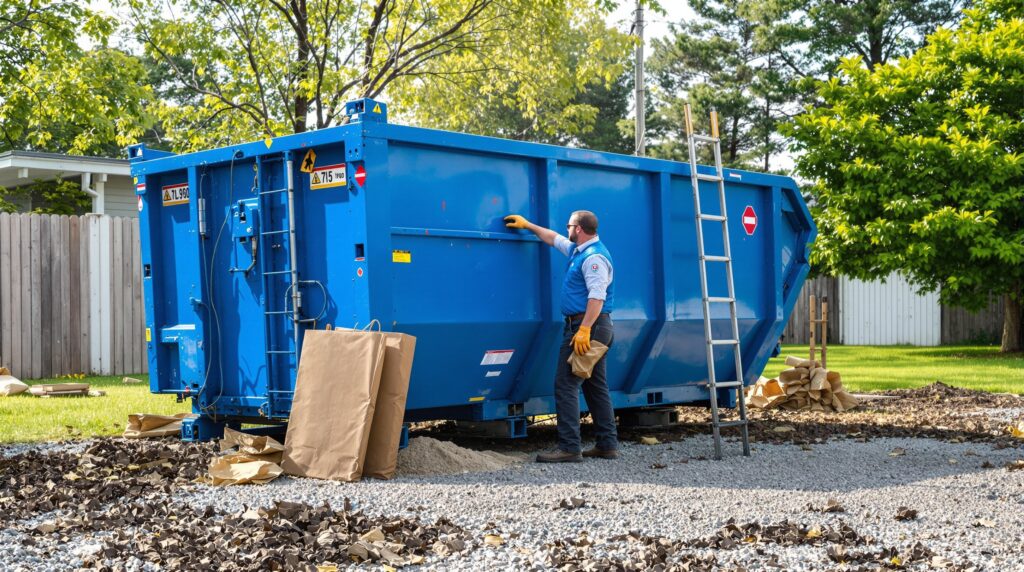
Home improvement projects typically generate significant amounts of waste. Whether tearing out old flooring, replacing kitchen cabinets, or clearing out a garage, the debris can quickly overwhelm standard trash bins. A dumpster rental offers a centralized location to dispose of all project waste, keeping the work area safe and organized.
Professional dumpster services handle the delivery, pickup, and proper disposal of waste materials. This allows homeowners to focus on their projects rather than making multiple trips to disposal facilities. The convenience factor alone makes renting a dumpster worthwhile for many weekend warriors.
Benefits of Dumpster Rental for Homeowners
Choosing a dumpster rental for home projects provides several advantages:
- Simplified cleanup process
- Reduced safety hazards from accumulated debris
- Proper disposal of materials
- Time savings compared to self-hauling
- Ability to complete projects more efficiently
Selecting the Right Dumpster Size
One of the most critical decisions when renting a dumpster is choosing the appropriate size. Dumpsters typically come in various dimensions, with common residential sizes ranging from 10 to 30 cubic yards.
Common Dumpster Sizes and Their Uses
Different project types require different dumpster capacities:
- 10-yard dumpsters: Ideal for small bathroom renovations, garage cleanouts, or minor landscaping
- 15-yard dumpsters: Suitable for medium-sized projects like kitchen remodels or deck removal
- 20-yard dumpsters: Perfect for larger renovations, roofing projects, or extensive cleanouts
- 30-yard dumpsters: Best for major home renovations or new construction
Selecting a dumpster that’s too small might necessitate renting a second unit, increasing costs. Conversely, renting an unnecessarily large dumpster means paying for unused space. For guidance on sizing, the EPA offers resources on waste reduction that can help estimate project waste volumes.
Understanding Dumpster Rental Costs
The cost of a dumpster rental depends on several factors. Understanding these elements helps homeowners budget accurately for their weekend projects.
Factors Affecting Rental Pricing
Key considerations that impact rental costs include:
- Dumpster size
- Rental duration
- Types of waste materials
- Local disposal fees
- Distance from the rental company
- Weight limits and potential overage charges
Most rental companies offer transparent pricing structures, but homeowners should ask about potential additional fees. Weight restrictions are particularly important, as exceeding them can result in substantial extra charges.
Getting the Best Value
To maximize the value of a dumpster rental:
- Compare quotes from multiple providers
- Ask about included services
- Inquire about discounts for weekend-only rentals
- Understand the rental agreement thoroughly
Preparing for Dumpster Delivery
Proper preparation ensures a smooth dumpster rental experience. Before the delivery date, homeowners should address several key considerations.
Ideal Placement Locations
The dumpster placement area should be:
- Easily accessible for delivery trucks
- On a flat, solid surface (concrete or asphalt preferred)
- Free of overhead obstacles like power lines or tree branches
- Convenient to the project area to minimize carrying debris
- Compliant with local regulations or HOA requirements
Many municipalities require permits for placing dumpsters on public streets. Checking with local authorities about permit requirements can prevent potential fines. The Department of Housing and Urban Development provides information on home improvement regulations that may apply to waste disposal.
Materials Allowed in Rental Dumpsters
Not all waste materials can go into dumpster rentals. Understanding what’s permitted helps avoid problems with the rental company and ensures proper disposal.
Common Prohibited Items
Most rental companies prohibit disposing of:
- Hazardous waste (paint, solvents, chemicals)
- Tires
- Batteries
- Appliances containing refrigerants
- Electronics
- Medical waste
For specialized waste, separate disposal arrangements must be made. Many rental companies can provide guidance on handling these materials properly.
With proper planning and the right dumpster rental, weekend home projects become much more manageable. By selecting the appropriate size, understanding costs, preparing for delivery, and knowing disposal limitations, homeowners can focus on their projects instead of worrying about waste removal.
Frequently Asked Questions
How far in advance should I book a dumpster rental?
It’s recommended to book a dumpster rental at least 1-2 weeks before your project start date. During busy seasons (spring and summer), earlier booking is advisable to ensure availability of your preferred size and delivery date.
Do I need to be present for dumpster delivery and pickup?
While not always required, being present during delivery ensures the dumpster is placed exactly where needed. For pickup, your presence is typically not necessary as long as the dumpster is accessible and not overfilled.
What happens if it rains while I have a dumpster rental?
Most dumpster rentals have drain holes to prevent water accumulation. However, excessive rainwater can add weight to the dumpster contents. Consider covering the dumpster with a tarp during heavy rain to prevent water absorption by materials like drywall or furniture, which could lead to exceeding weight limits.